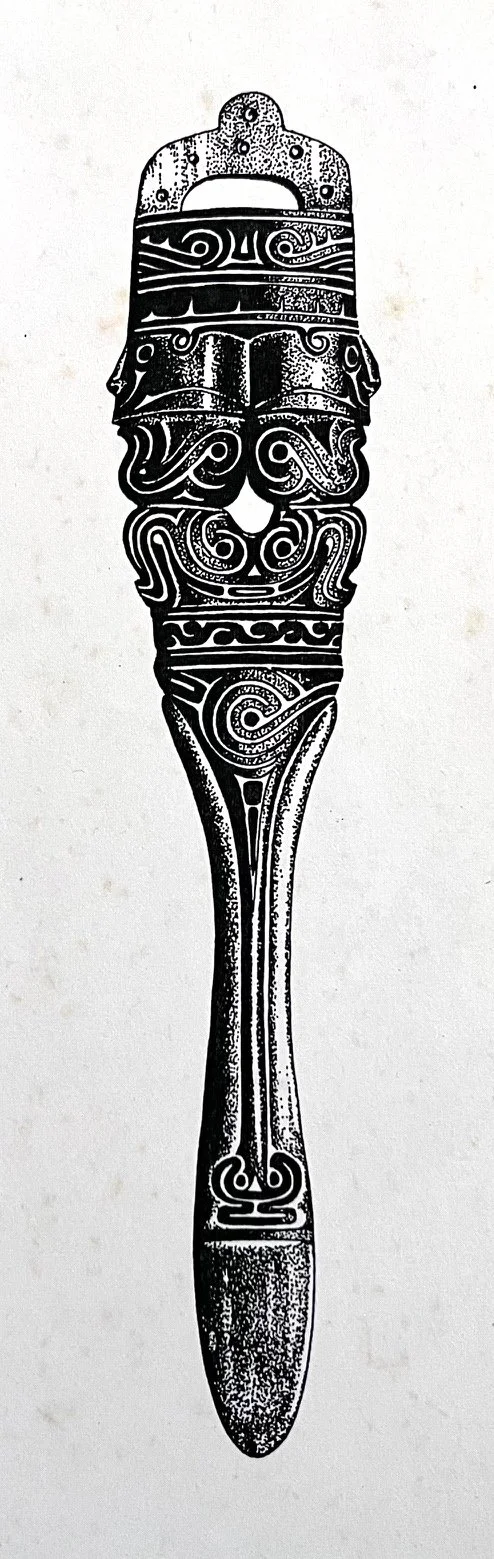

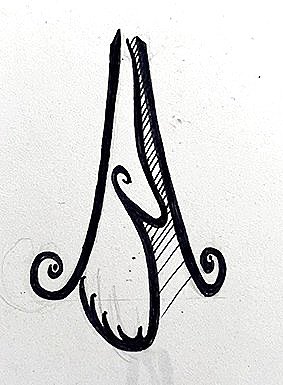
Harry Beran (1935-2021) is acknowledged as one of the foremost authorities on the art of the Massim region of Easern New Guinea. He considered it extremely important to identify artists by name where possible and to classify stylistic differences in a very analytical way in order to have artists credited with their innovative contributions to the ever-evolving expressions of their culture.
In the western canon of art individual creators have been identified and documented for hundreds of years. With the advent of interest in tribal art at the beginning of the Modernist period, ethnographic artefacts shifted from museums to art galleries. Their formal qualities were of greater significance than their cultural significance. Harry Beran sought not only to consider the aesthetic merit of these Massim artefacts within their cultural context but also to recognise the individuality of the artist.
“Mutuaga: A nineteenth-century New Guinea master carver” (1996) is the book written by Harry that established an individual tribal artist of this region as an innovative creative contributor within the woodcarving tradition.
Harry was my step-father-in-law. He taught me to look closely at detail and variation in a wide range of tribal artefacts from the Massim region. I had never encountered this culture group before so it was a bit of a revelation. Over the years I became more familiar with these works and occasionally supplied a few illustrations that Harry needed for his publications.
I’ll always be grateful for having met him and spending many hours in conversation about Art, the Universe, and Everything.
If interested, here is an overview of Harry’s recollections on becoming a collector of Massim art……..
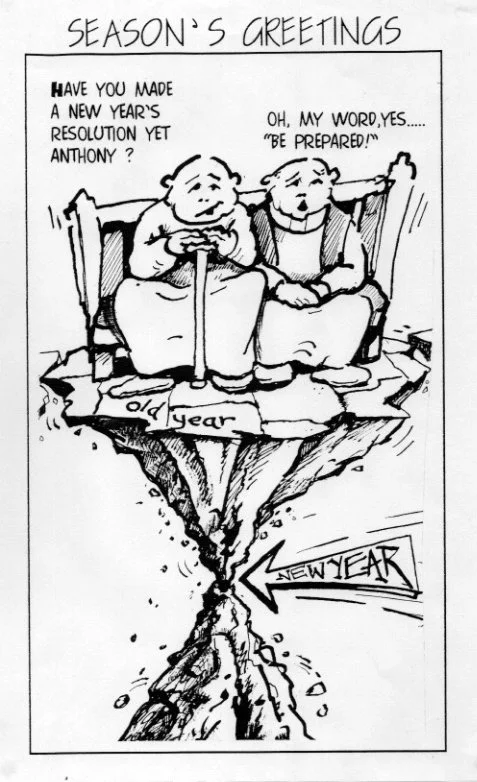
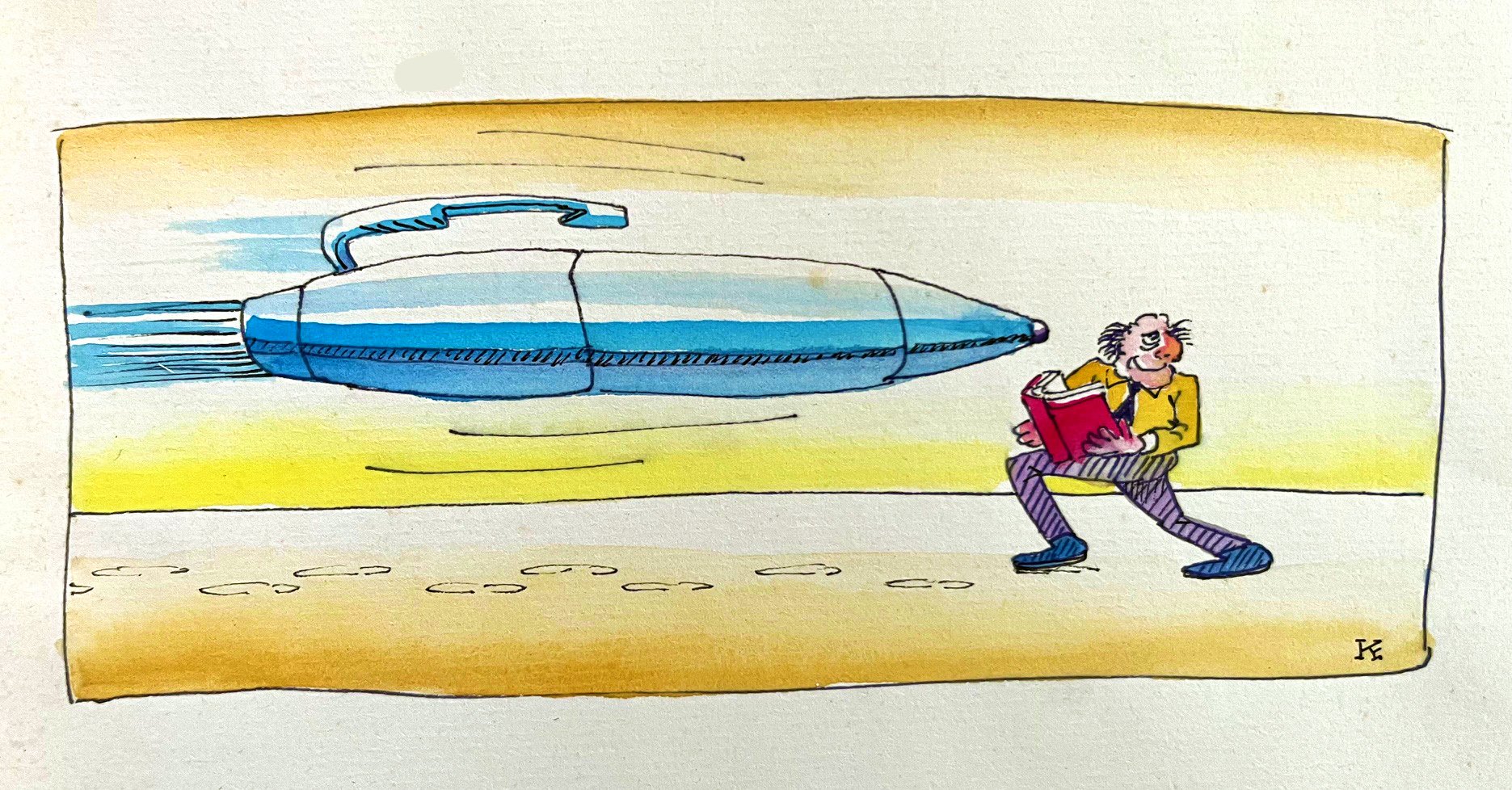
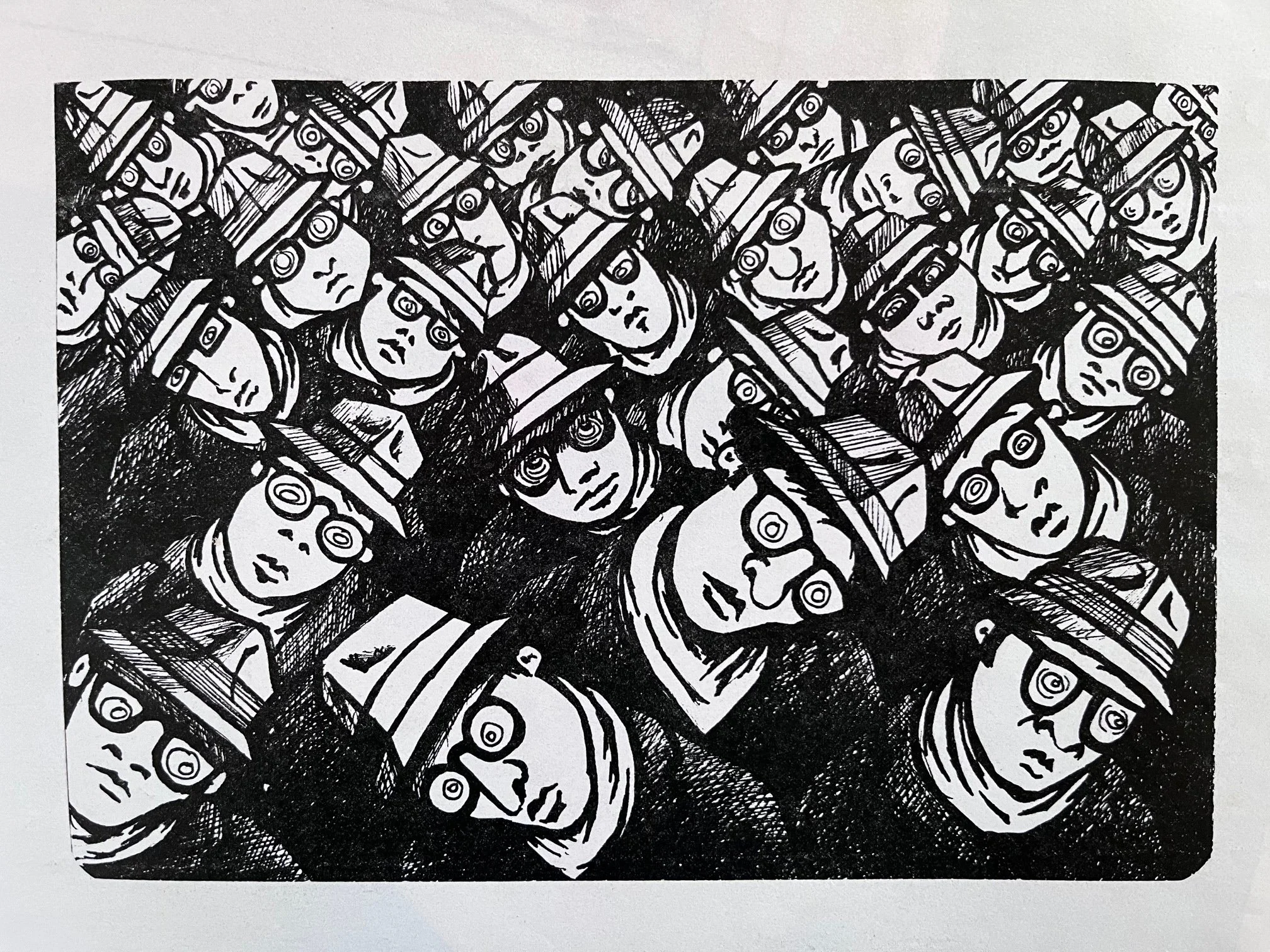
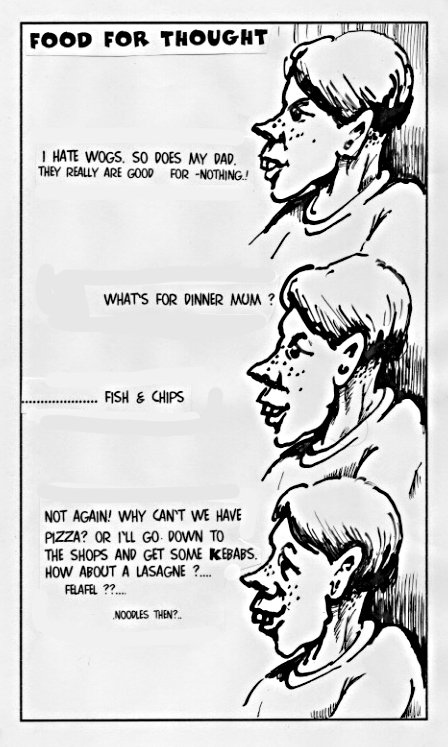
Around the year 1975 I had the good fortune to meet Tony Hall in the town of Norwich in the UK. Tony is both a cartoonist and a musician and accomplished in both fields. He has regularly contributed to Punch magazine over the years. His quirky sense of humour was highly infectious.
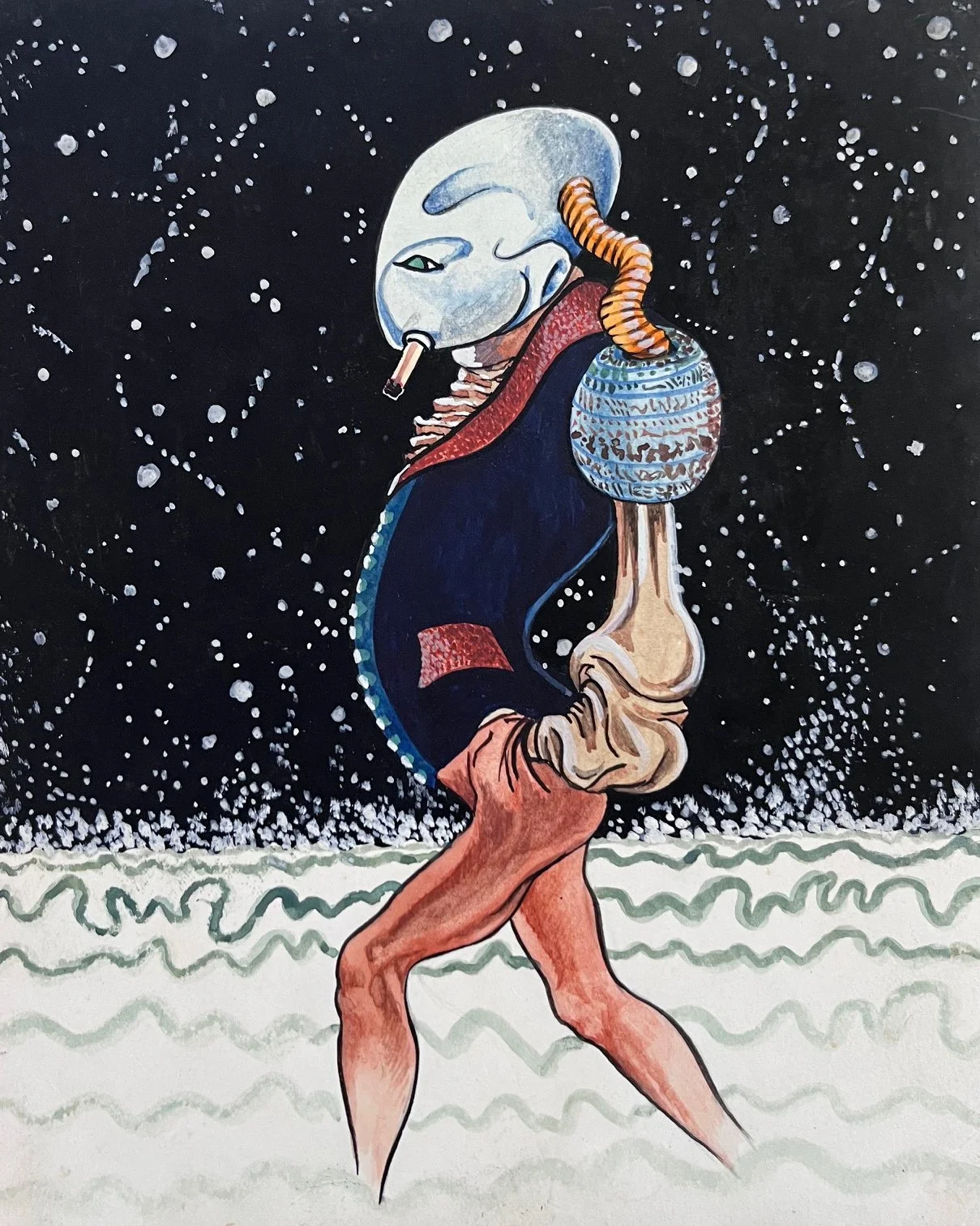
I wasn’t painting at that time and it was amusing to find myself creating cartoon images some of which have survived.

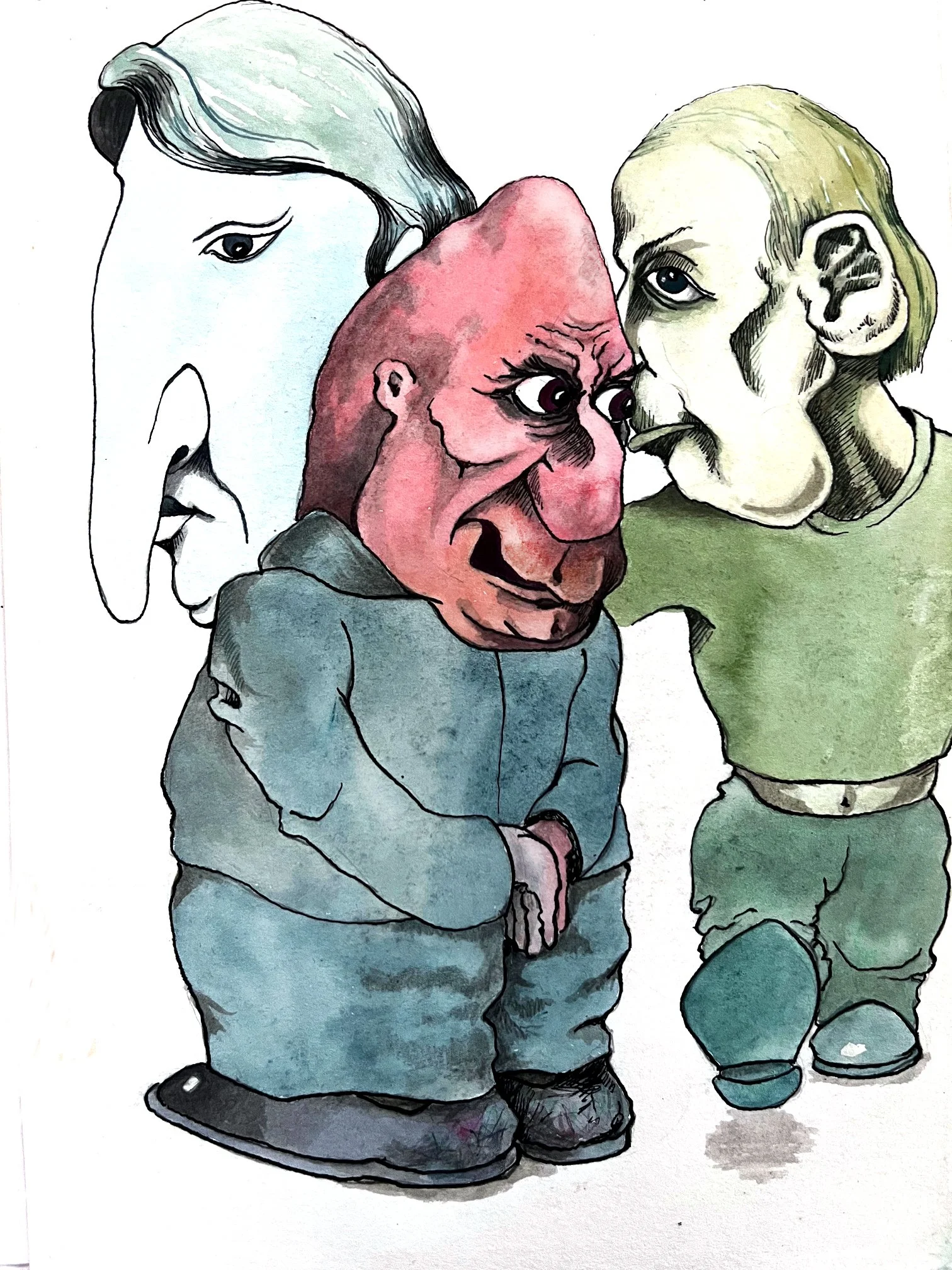
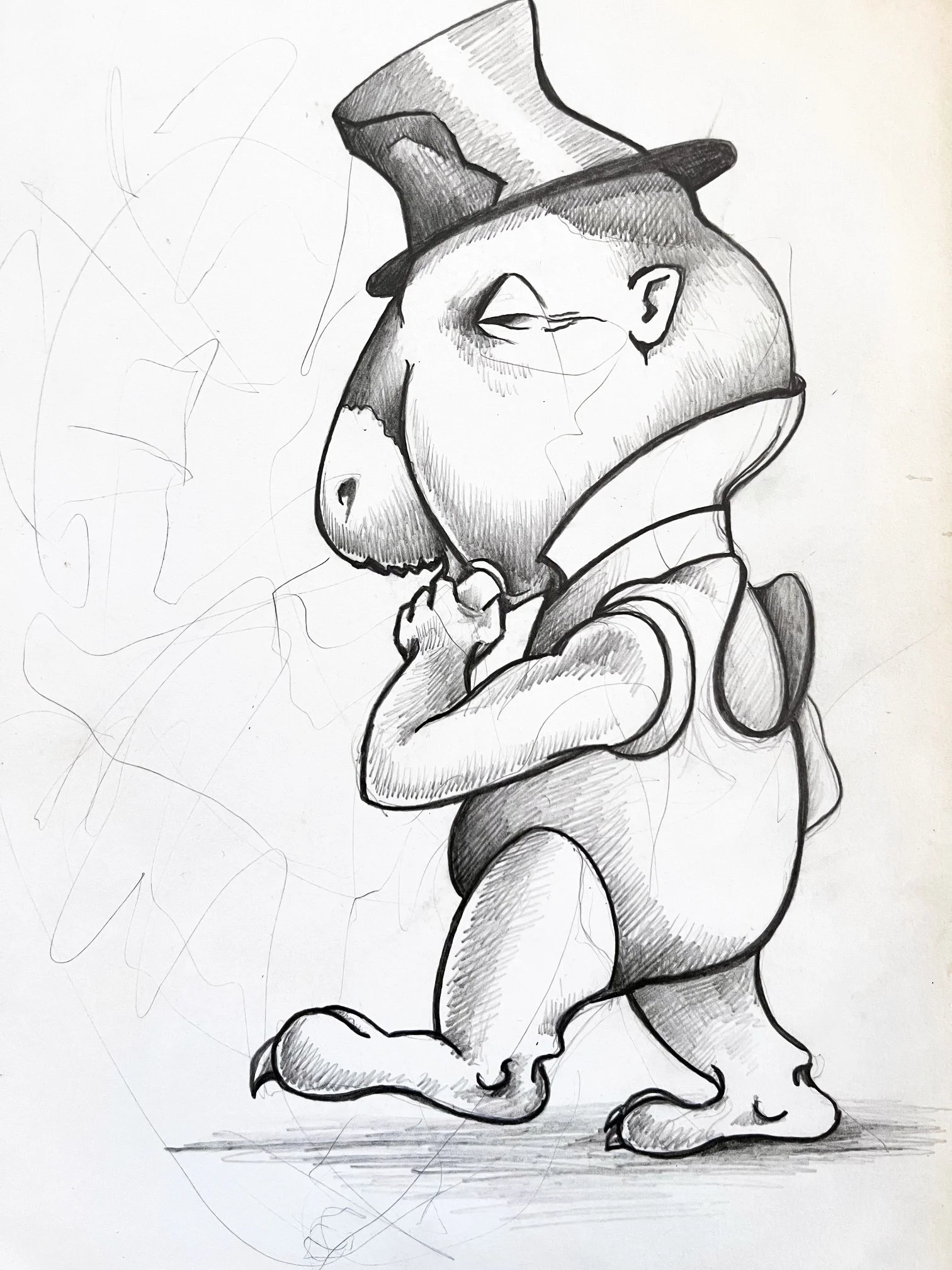
I had for many years been interested in automatic drawing, scribbling lines until images emerged. These were not targeted subjects or issues like the drawings above.
It was more fun than sitting down to draw a representation of what was in front of me. The outcome was unknown and I continue to work in this way but with landscape. In those days it was mostly faces that emerged from the page or sometimes unusual looking creatures.

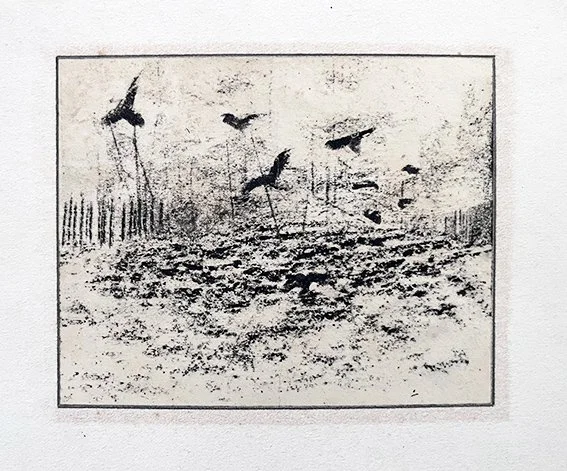
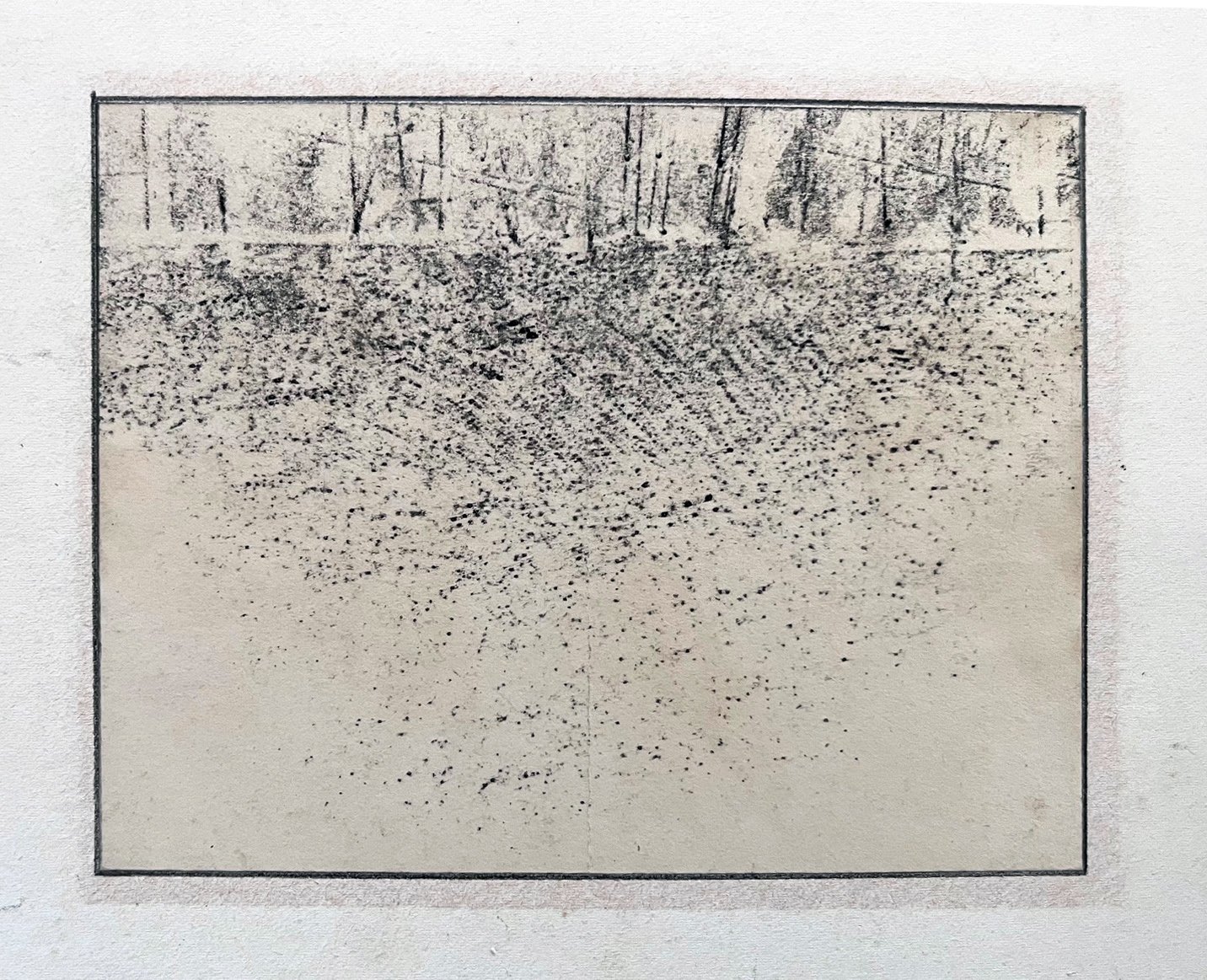
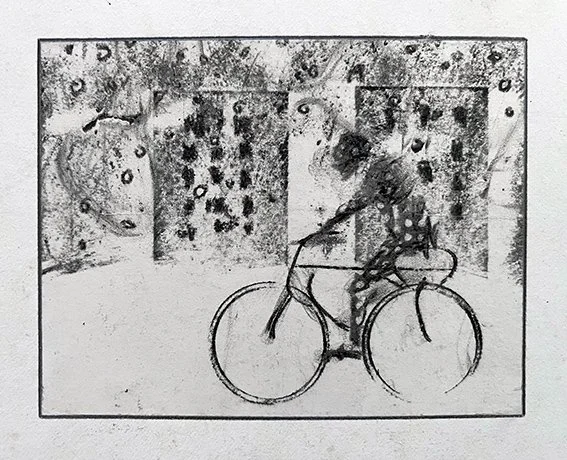
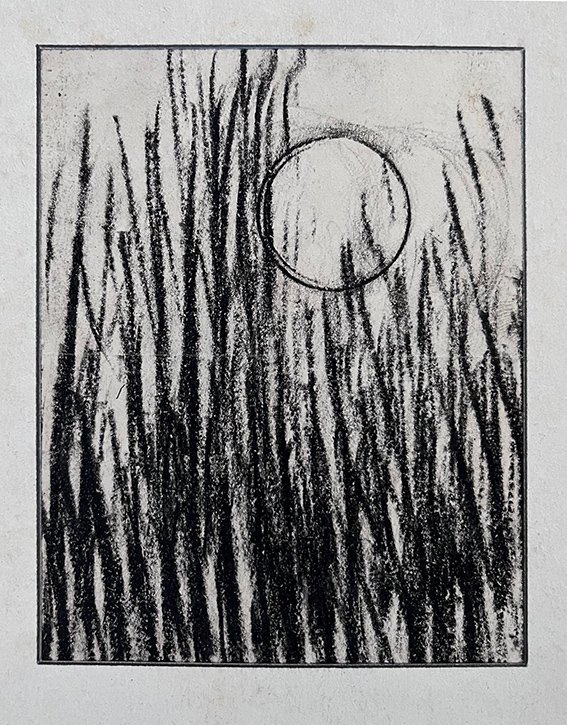
In 1976, I was living in Edinburgh and employed in the packing department of John Lewis. Given my nomadic lifestyle at the time, I refrained from lugging around art supplies and only carried the essentials in my rucksack. The packing department routine was rather monotonous, particularly during the lunch hour when my colleague took a 40-minute break leaving me to diligently continue packing items purchased by customers upstairs. My equipment consisted of small white labels, string, black wax crayons for labelling, a cutting knife, and a weathered table as my workspace. Hence, my 40-minute window of opportunity became a flurry of making small drawings on labels, utilizing wax crayons to create rubbings from the ancient wooden table, which in turn revealed textured images that I would further develop. This spontaneity process of image-making has not lost its appeal over the years.